
The ketogenic diet, commonly known as the keto diet, has gained immense popularity in recent years for its potential benefits in weight loss, improved metabolic health, and increased energy levels. In addition to these advantages, many individuals following the keto diet also engage in regular exercise to further enhance their physical performance and optimize recovery. In this article, we will explore how the keto diet and exercise can work together to maximize performance and recovery.
Understanding the Keto Diet
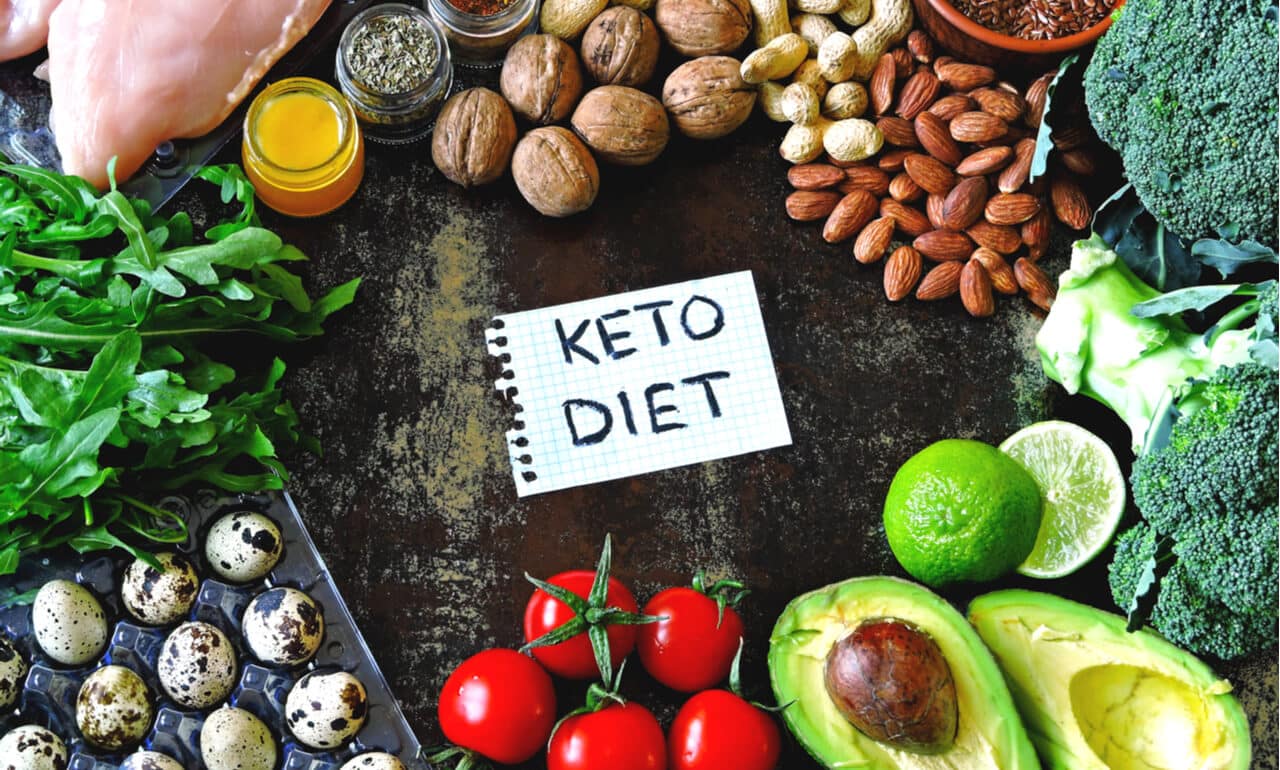
The ketogenic diet is a low-carbohydrate, high-fat eating plan designed to induce a state of ketosis in the body. Ketosis occurs when carbohydrate intake is restricted, leading the body to primarily burn fat for fuel instead of glucose. By limiting carbohydrate intake to typically less than 50 grams per day, the body is forced to rely on stored fat for energy production, resulting in weight loss.
Benefits of the Keto Diet for Exercise Performance:
- Increased fat utilization: Adopting a keto diet trains the body to efficiently utilize fat as its primary fuel source during exercise. This can be particularly beneficial for endurance athletes who rely heavily on sustained energy output.
- Enhanced endurance: A shift in fuel utilization from carbohydrates to fats can preserve glycogen stores in the muscles, allowing for extended endurance during prolonged exercise sessions.
- Improved body composition: The keto diet can lead to reduced body fat percentage while preserving muscle mass, resulting in a leaner physique. This can enhance overall athletic performance and agility.
- Stable blood sugar levels: By minimizing carbohydrate intake, the keto diet helps to stabilize blood sugar levels, preventing the energy crashes associated with high-carbohydrate diets. This stable energy supply can contribute to improved exercise focus and concentration.
Exercise Strategies on the Keto Diet:

- Adequate protein intake: Consuming an adequate amount of protein is essential for supporting muscle growth and repair. Protein requirements for individuals on the keto diet are generally higher to prevent muscle loss. Aim for approximately 0.6-1 gram of protein per pound of body weight.
- Strategic carbohydrate intake: While the keto diet emphasizes low carbohydrate intake, strategic carbohydrate consumption before, during, or after intense workouts can replenish glycogen stores and support performance. Target nutrient-dense, low-glycemic carbohydrates such as sweet potatoes or berries.
- Focus on healthy fats: The keto diet encourages the consumption of healthy fats, such as avocados, nuts, and olive oil. These fats provide sustained energy, support hormone production, and aid in nutrient absorption.
- Stay hydrated: Proper hydration is crucial for exercise performance and recovery. Ensure you drink enough water throughout the day, especially during workouts, to prevent dehydration and maintain optimal performance.
Recovery Strategies on the Keto Diet:

- Electrolyte balance: When following a keto diet, electrolyte imbalances can occur due to increased water loss. To prevent cramping and support optimal recovery, ensure adequate intake of sodium, potassium, and magnesium through food or supplementation.
- Post-workout nutrition: Following a workout, consuming a combination of protein and carbohydrates can enhance muscle recovery and replenish glycogen stores. Consider incorporating a protein shake or a well-balanced meal containing lean protein and healthy carbohydrates.
- Quality sleep: Adequate sleep is essential for recovery and overall health. The keto diet has been reported to improve sleep quality for many individuals, which can further enhance recovery and promote optimal exercise performance.
- Listen to your body: Everyone’s response to the keto diet and exercise is unique. Pay attention to your body’s signals and adjust your diet and exercise routine accordingly. If you experience any adverse effects or notice a decline in performance, consider consulting with a healthcare professional or a registered dietitian.

When properly implemented, the combination of the keto diet and exercise can be a powerful tool for maximizing performance and recovery. The keto diet can enhance fat utilization, improve endurance, support stable blood sugar levels, and contribute to a leaner body composition. By incorporating strategic carbohydrate intake, prioritizing adequate protein and healthy fat consumption, and implementing effective recovery strategies, individuals can optimize their exercise performance while following a keto diet. As with any dietary or exercise regimen, it is important to listen to your body and make adjustments as needed to ensure optimal health and well-being.