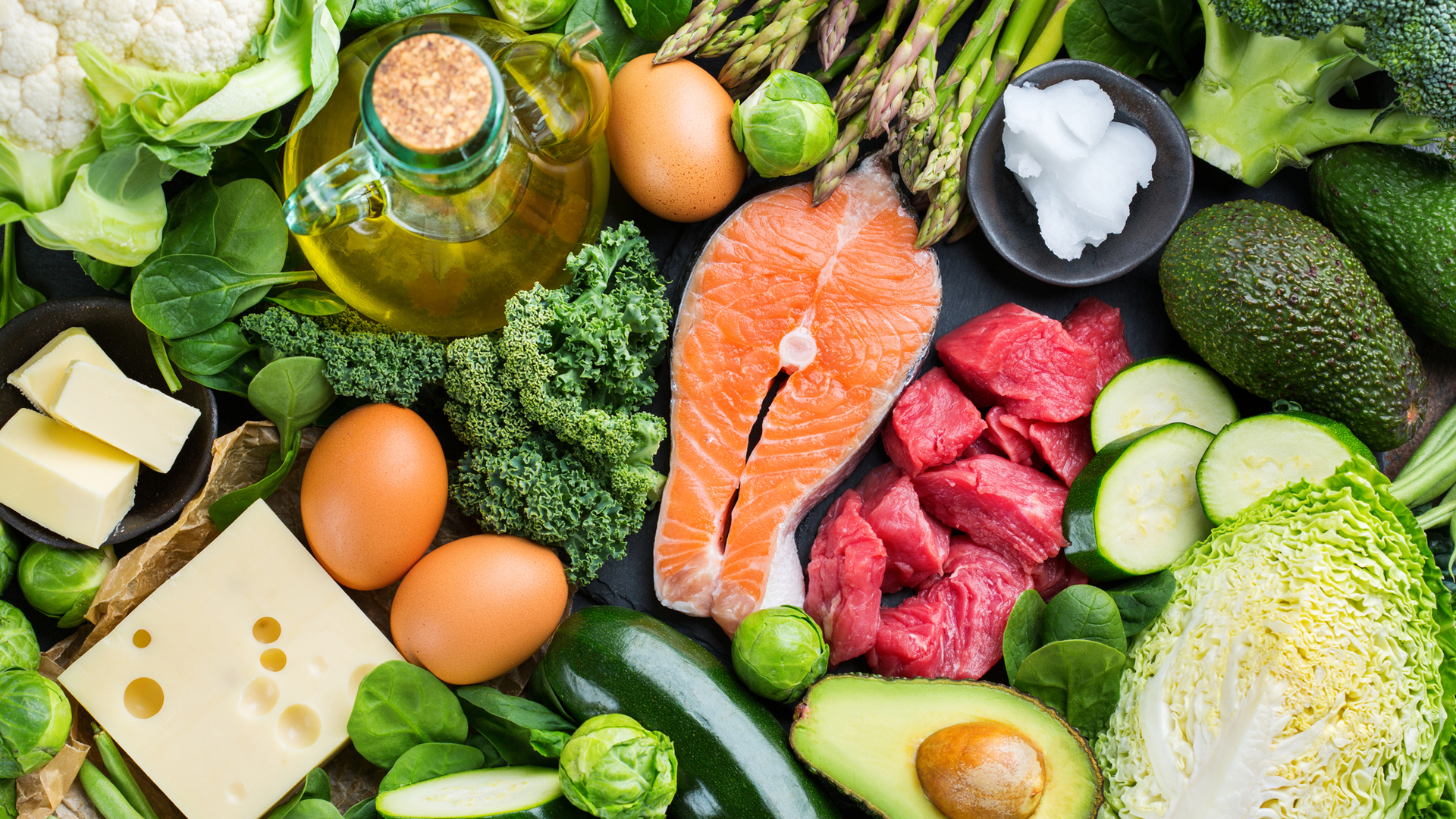
The ketogenic diet, or keto diet, has gained popularity in recent years due to its potential health benefits and weight loss results. The diet focuses on consuming a low-carbohydrate, high-fat, and moderate-protein intake, which helps the body enter a state of ketosis. While the keto diet may seem restrictive, there are numerous ways to make healthier choices and still enjoy delicious meals without sacrificing taste. In this article, we will explore some simple food swaps you can incorporate into your keto lifestyle.
1. Swap High-Carb Grains for Low-Carb Alternatives

Grains such as rice, pasta, and bread are high in carbohydrates and can disrupt ketosis. Replace them with low-carb alternatives like cauliflower rice, zucchini noodles (zoodles), or shirataki noodles. These substitutes provide similar textures and can be seasoned or sautéed to enhance their flavors.
2. Replace Sugar with Natural Sweeteners

Refined sugar is a no-go on the keto diet, but that doesn’t mean you have to give up sweetness altogether. Swap out sugar with natural sweeteners like stevia, erythritol, or monk fruit. These alternatives have minimal impact on blood sugar levels and can be used in baking or to sweeten beverages.
3. Choose Healthy Fats
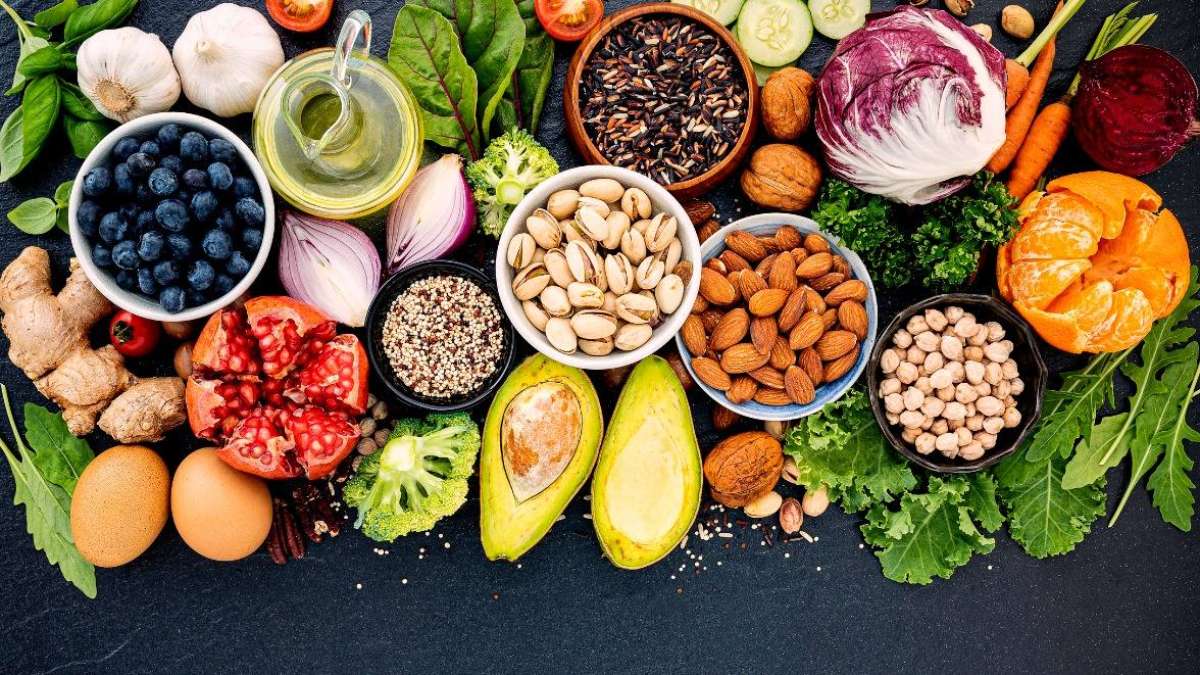
The keto diet emphasizes consuming healthy fats to fuel the body. Opt for monounsaturated and polyunsaturated fats found in avocados, olive oil, nuts, and seeds. These fats provide essential nutrients and help keep you feeling satisfied.
4. Substitute High-Carb Snacks with Keto-Friendly Options

Many popular snack foods are high in carbohydrates, making them unsuitable for a keto diet. Swap out chips, cookies, and candy for keto-friendly alternatives like beef jerky, pork rinds, almonds, or cheese crisps. These options offer a satisfying crunch without the excess carbs.
5.Incorporate Non-Starchy Vegetables
Non-starchy vegetables are low in carbohydrates and rich in essential vitamins and minerals. Swap out starchy vegetables like potatoes or corn with options such as leafy greens, broccoli, cauliflower, Brussels sprouts, or asparagus. These vegetables can be roasted, sautéed, or enjoyed raw in salads to add variety to your meals.
6. Choose Lean Protein Sources

While the keto diet encourages moderate protein intake, it’s essential to choose lean sources of protein to maintain a healthy balance. Opt for skinless chicken breast, turkey, lean cuts of beef or pork, fish, and seafood. These options provide essential amino acids without excessive amounts of fat.
7. Make Homemade Condiments and Dressings

Many store-bought condiments and dressings contain added sugars and unhealthy fats. Swap them out for homemade versions using keto-friendly ingredients. For example, make your own mayonnaise using avocado oil or create a salad dressing with olive oil, vinegar, and herbs. These homemade options allow you to control the quality and quantity of ingredients used.
8. Drink Plenty of Water

Staying hydrated is crucial on a keto diet. Replace sugary beverages like soda or fruit juices with water, unsweetened tea, or coffee. You can also infuse water with fruits or herbs for a refreshing twist.
Adopting a keto lifestyle doesn’t mean you have to sacrifice taste or give up your favorite foods. By making simple food swaps, you can create delicious and satisfying meals that align with your dietary goals. Remember to focus on low-carb alternatives, choose healthy fats, incorporate non-starchy vegetables, and opt for lean protein sources. With these easy swaps, you can embark on a keto journey while still enjoying the flavors you love. Stay committed, be creative, and discover a world of delicious keto-friendly options.