
Following a ketogenic diet has gained significant popularity in recent years due to its potential benefits for weight loss and overall health. However, one crucial aspect that is often overlooked is the importance of maintaining electrolyte balance while on a keto diet. Electrolytes play a vital role in various bodily functions, and their balance can be easily disrupted when transitioning to a ketogenic lifestyle. In this article, we will explore the significance of electrolytes on a keto diet and provide practical tips on how to maintain optimal balance.
Understanding Electrolytes

Electrolytes are minerals that carry an electric charge when dissolved in bodily fluids such as blood and urine. The most important electrolytes include sodium, potassium, magnesium, calcium, and chloride. These minerals are involved in numerous essential functions, including maintaining proper fluid balance, regulating nerve and muscle function, supporting hydration, and facilitating proper cell function.
Electrolyte Imbalances on a Keto Diet

When following a ketogenic diet, carbohydrate intake is significantly reduced, leading to a decrease in insulin levels. This insulin reduction triggers the kidneys to excrete more water and sodium, leading to increased urine production. As a result, electrolytes can become imbalanced, which may lead to symptoms such as muscle cramps, fatigue, headaches, dizziness, and constipation.
Sodium and Potassium
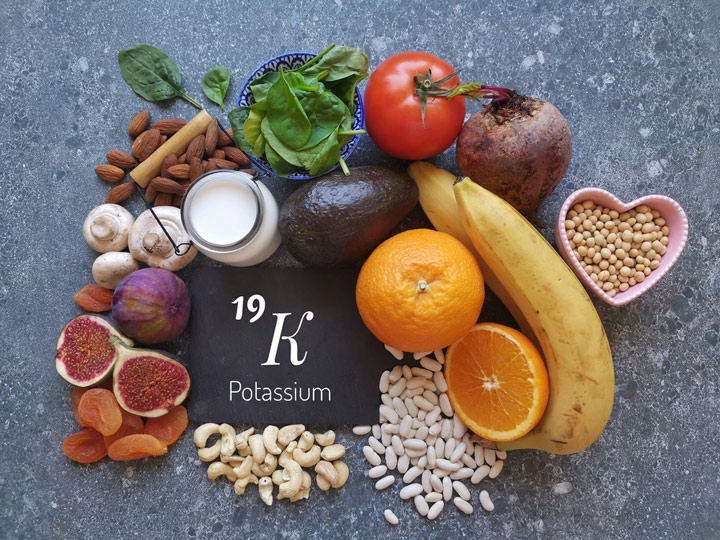
Sodium and potassium are two of the most critical electrolytes to monitor on a keto diet. Sodium is essential for maintaining fluid balance and healthy nerve function. On a ketogenic diet, sodium intake is often restricted due to concerns about high blood pressure. However, this can lead to sodium deficiency and related symptoms. To maintain sodium balance, it is recommended to increase sodium intake through sources like sea salt, broth, or bouillon. This can help replenish sodium levels and prevent imbalances.
Potassium, on the other hand, plays a crucial role in maintaining proper nerve and muscle function. When following a keto diet, it is important to focus on consuming potassium-rich foods such as avocados, leafy green vegetables like spinach and kale, mushrooms, and salmon. These foods can help replenish potassium levels and support overall electrolyte balance.
Magnesium and Calcium
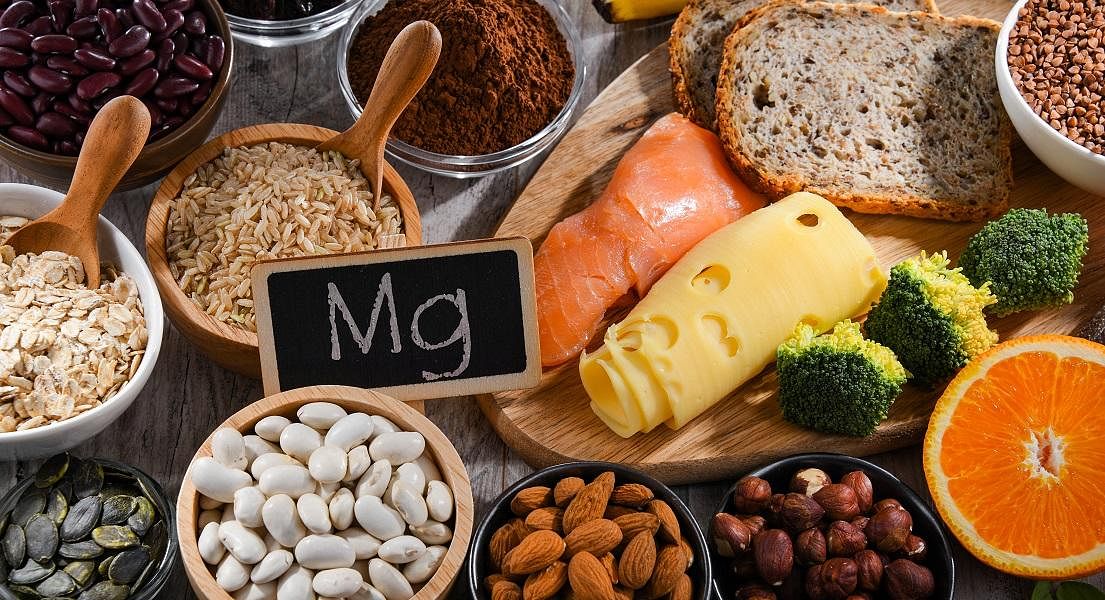
Magnesium is involved in over 300 biochemical reactions in the body, making it crucial for overall health. It is also commonly deficient in many individuals, including those following a ketogenic diet. Magnesium deficiency can lead to symptoms such as muscle cramps, fatigue, and irritability. To maintain optimal magnesium levels, it is advisable to consume magnesium-rich foods such as dark chocolate, almonds, spinach, and pumpkin seeds. Additionally, taking a magnesium supplement may be necessary, as deficiencies are common even in non-keto individuals.
Calcium is another essential mineral that works in conjunction with vitamin D to support bone health. On a keto diet, it is important to focus on consuming calcium-rich foods such as dairy products, leafy greens, and fish. Additionally, getting adequate sunlight exposure or taking a vitamin D supplement can help maintain optimal vitamin D levels, which in turn supports calcium absorption and utilization.
Hydration and Monitoring

Proper hydration is essential for maintaining electrolyte balance. It is important to drink water regularly and consider adding a pinch of salt or electrolyte supplements to your water to replenish lost minerals. Staying hydrated can help prevent electrolyte imbalances and associated symptoms.
Monitoring electrolyte levels is crucial, especially if you experience persistent symptoms of imbalance. If you are concerned about your electrolyte levels, it may be helpful to consult a healthcare professional who can conduct blood tests to determine your electrolyte status accurately. This will enable you to make any necessary adjustments to your diet or consider targeted supplementation.

Maintaining electrolyte balance is crucial for overall health, particularly when following a ketogenic diet. By being mindful of your electrolyte intake and incorporating the necessary foods and supplements, you can prevent imbalances and associated symptoms. Remember, each individual’s needs may vary, so it’s important to listen to your body and seek professional advice if necessary. By prioritizing electrolyte balance, you can optimize your keto journey and promote your overall well-being.